Thinking & Process
Reach Bridge
Exploration
During my educational journey, I noticed that many people struggle to find a therapist. From interviews, I learned that high costs, time-consuming commutes, long search times, and difficulty building trust often leave people feeling discouraged and hopeless about finding support. This inspired me to design a solution that makes it easier to connect with therapists and improves the overall experience, encouraging people to seek the help they need.
“It feels like they’re following a checklist instead of actually listening”
How is this approach different from what already exists?
Apps such as BetterHelp and Talkspace which match users with therapists through a questionnaire and aim to make communication flexible. But they do not offer people with a therapist that they can feel comfortable and build a connection with. Many times all the choices that these apps provide tend to make users overwhelmed and like they have just randomly been assigned someone.

How can this be addressed?
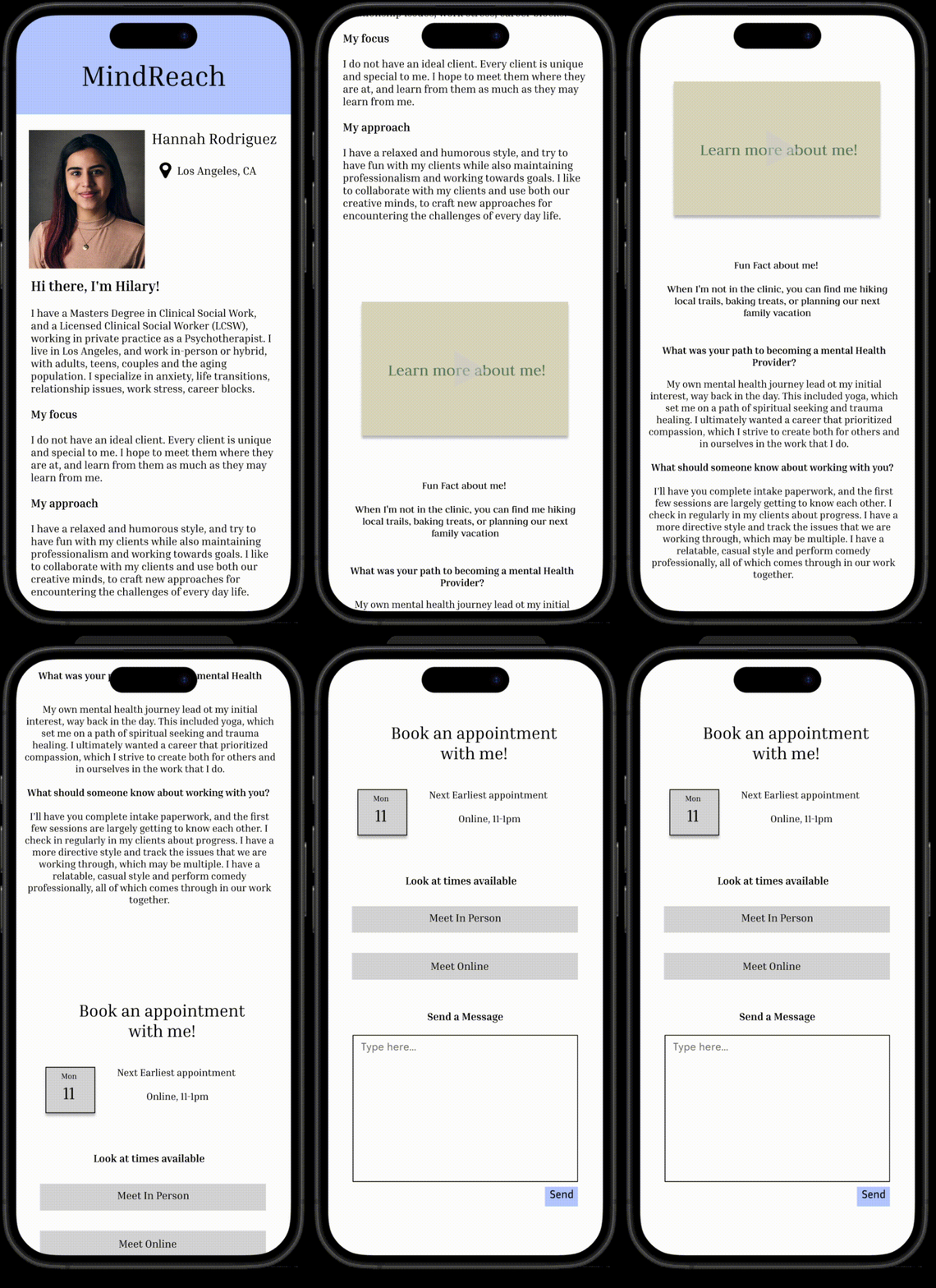
In my design of MindBridge, I aim for redesigning therapist matching focusing on reducing anxiety and improving emotional compatibility. Instead of overwhelming users with options, the system guides them through a structured selection process, offers short trial sessions and adapts recommendations based on user feedback.
One of the changes that this idea has is that it would give more insight into the professional experience of the therapist (therapy approach and style). Therapists also share on their profiles short intro videos in which they explain how they work which gives people a sense of tone and presence visible. Instead of having a page where people might be confused at what they should take into account.
The system would ask some general questions to users and show them 3-5 curated matches, and they can learn some more information about their options and choose whichever they feel the most comfortable with.
Solution: Help users efficiently find therapists they feel comfortable with by simply using an app.
How it works?
Users can view therapist introductions and backgrounds (without compromising privacy).
Start with short online sessions (15 minutes) to test compatibility.
Option to book in-person sessions after establishing trust.
Flexible subscription model with a set number of sessions per month.
Users can stop sessions anytime without penalty.
Why 15-minute sessions first? → Reduces risk, saves time/money, encourages exploration.
Why show therapist background? → Builds trust, helps connection, improves matching.
Why start online before in-person? → Safety, flexibility, lower commitment
After an initial trial session, users can decide whether to continue with their therapist. By starting with low-commitment interactions, users feel more comfortable and confident transitioning into long-term care, including in-person sessions.
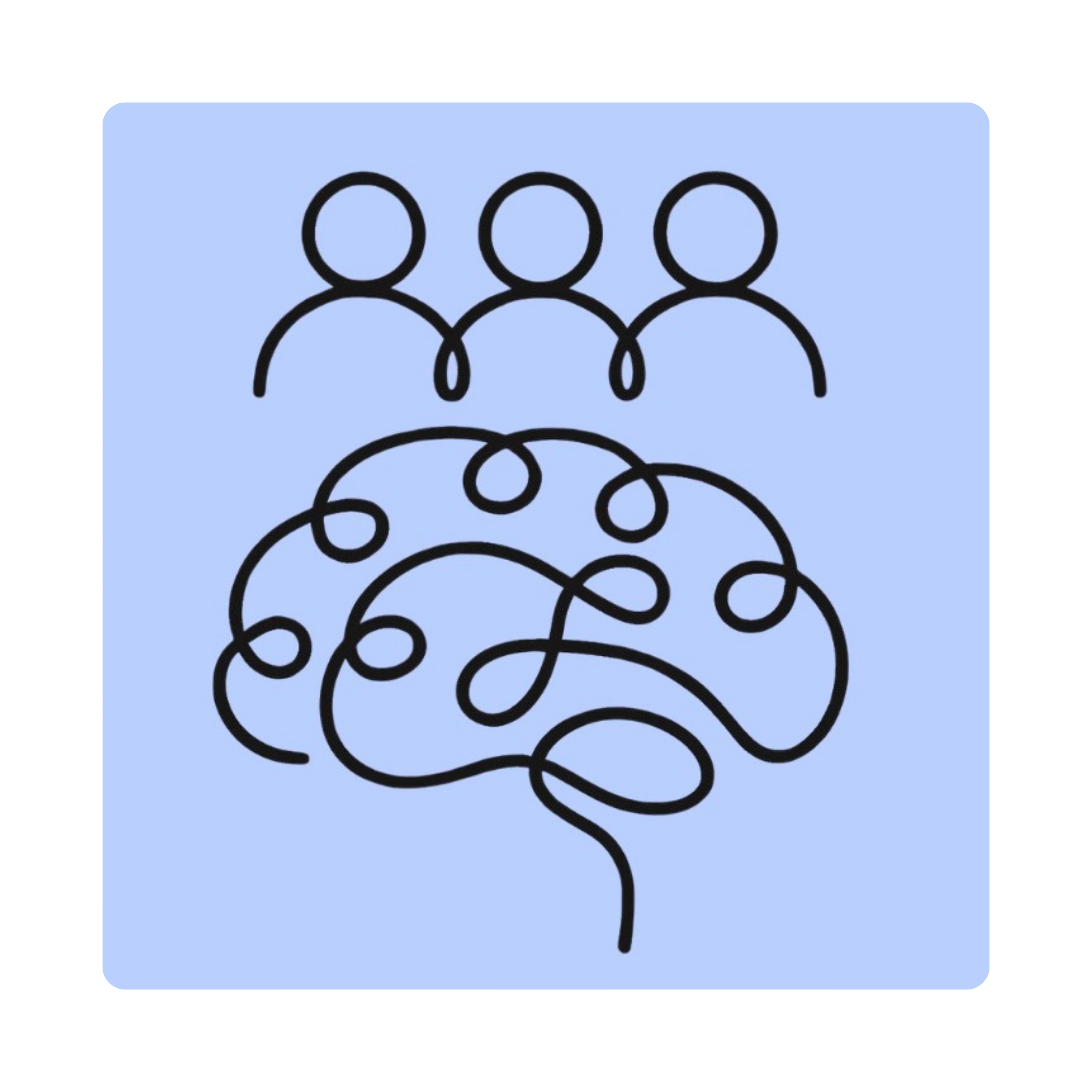
Beyond matching, the platform also supports users throughout their mental health journey by offering access to moderated communities of individuals with similar experiences. This helps reduce feelings of isolation and fosters a sense of support as users continue their progress.
Upgrade Duolingo
Problem
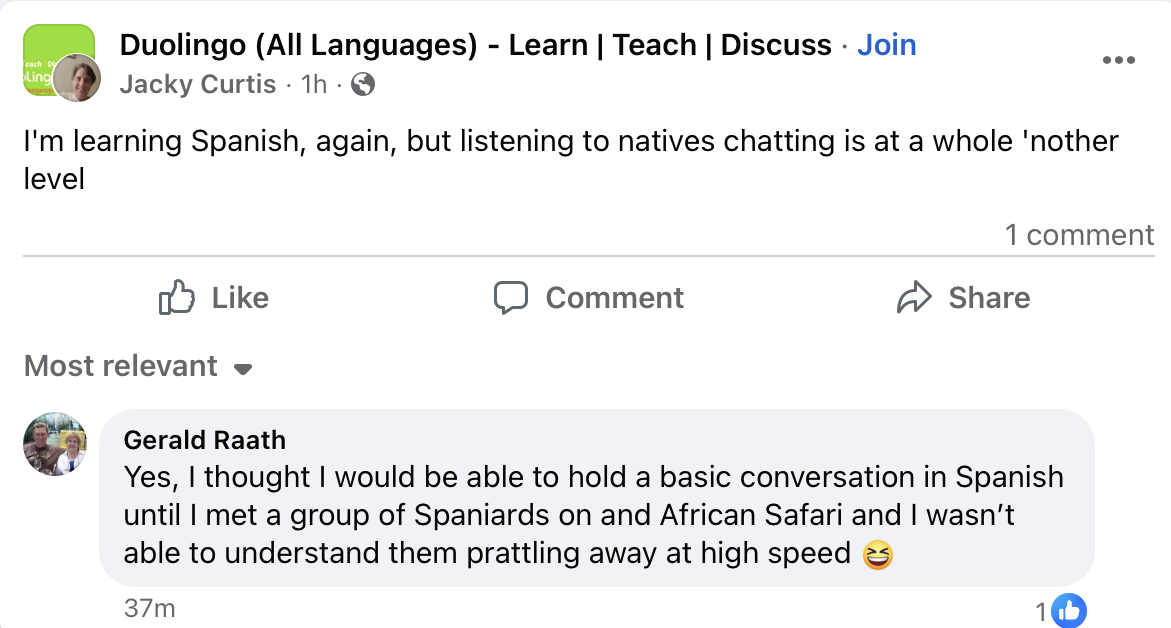
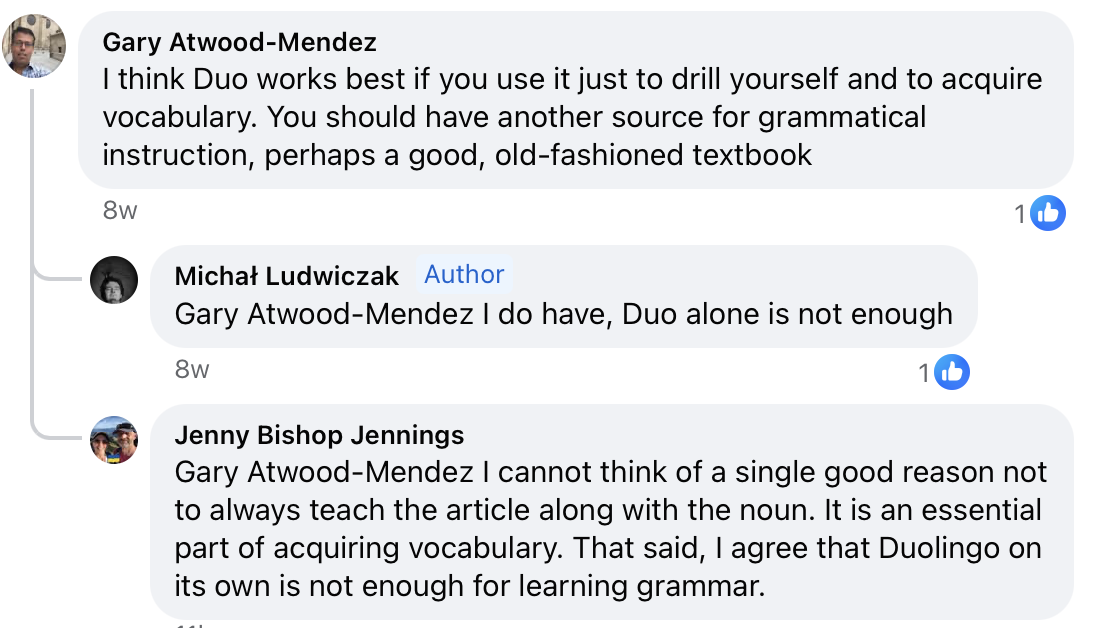
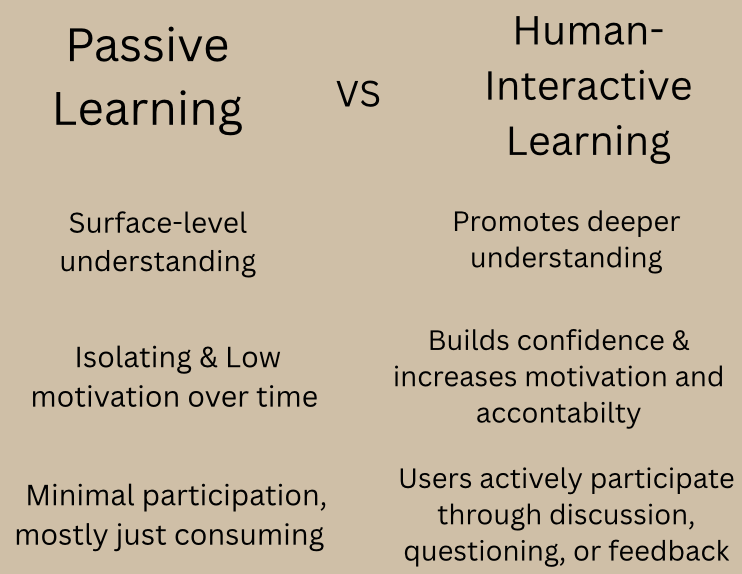
Duolingo is an app known to help people learn new languages daily as easy as only 5 minutes per day. But it lacks a key component of effective learning: human interaction. Language learning goes beyond memorizing words—it requires social engagement, contextual understanding, and real conversations, which are limited in the current experience.
As a result, users lack opportunities to validate their understanding and may feel isolated throughout their learning journey.
How can this be addressed?
This project is all about fixing the "lonely learning" problem in apps like Duolingo. While those apps are great for vocab, they often leave users hanging when it actually comes time to speak. I designed a way to bring real people into the mix.
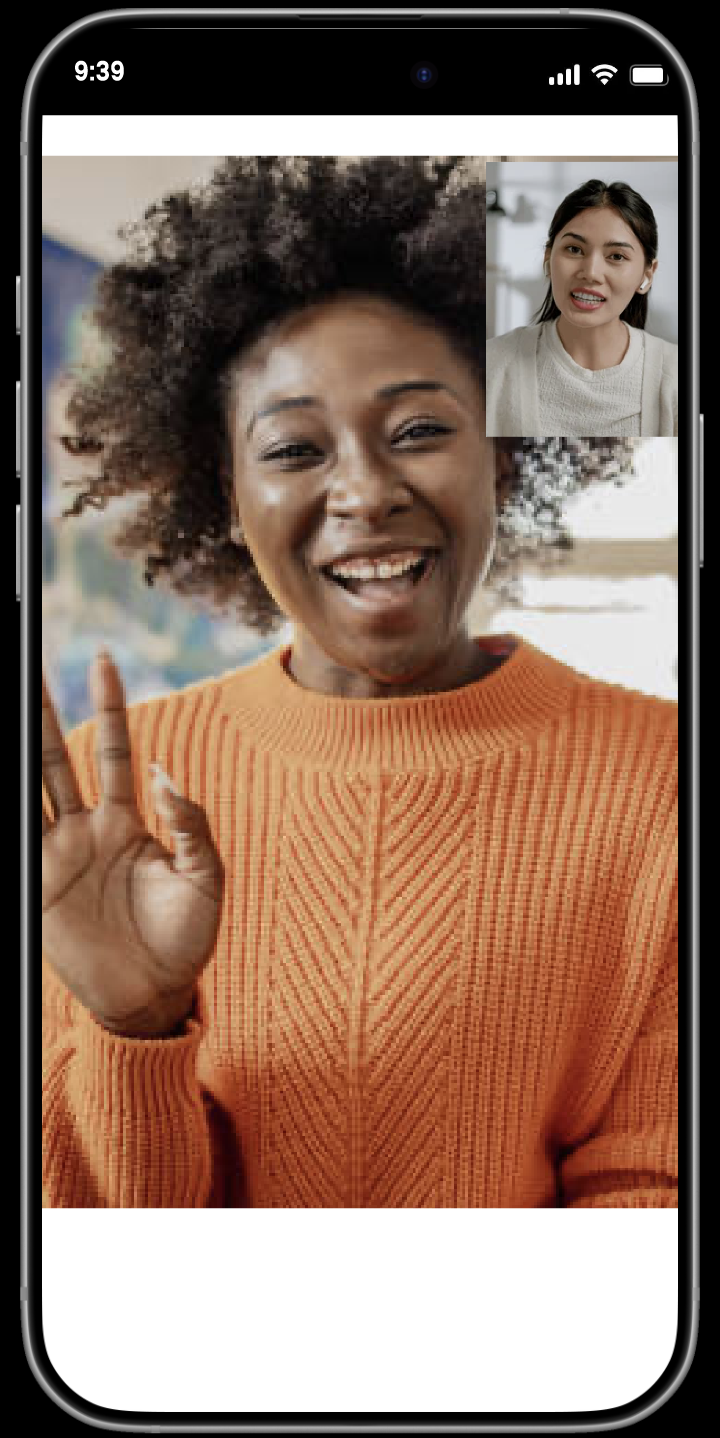
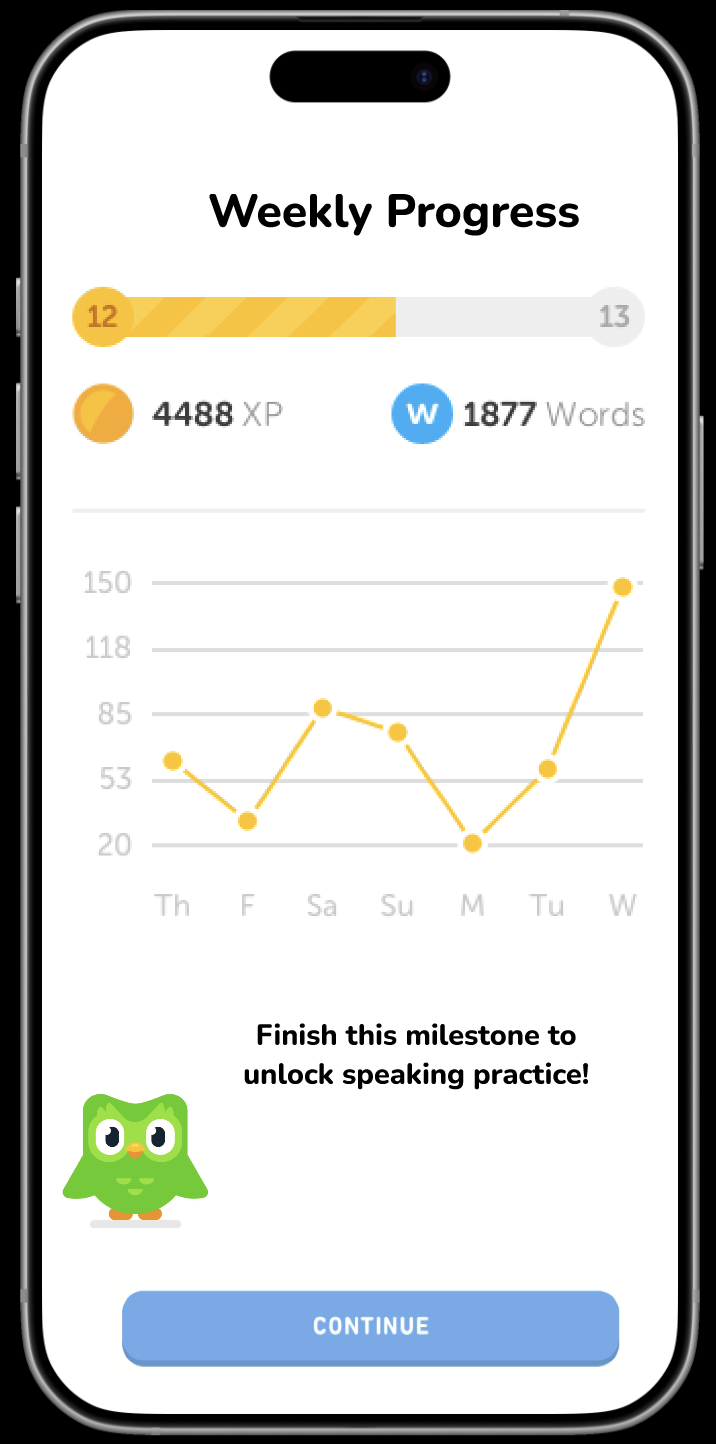
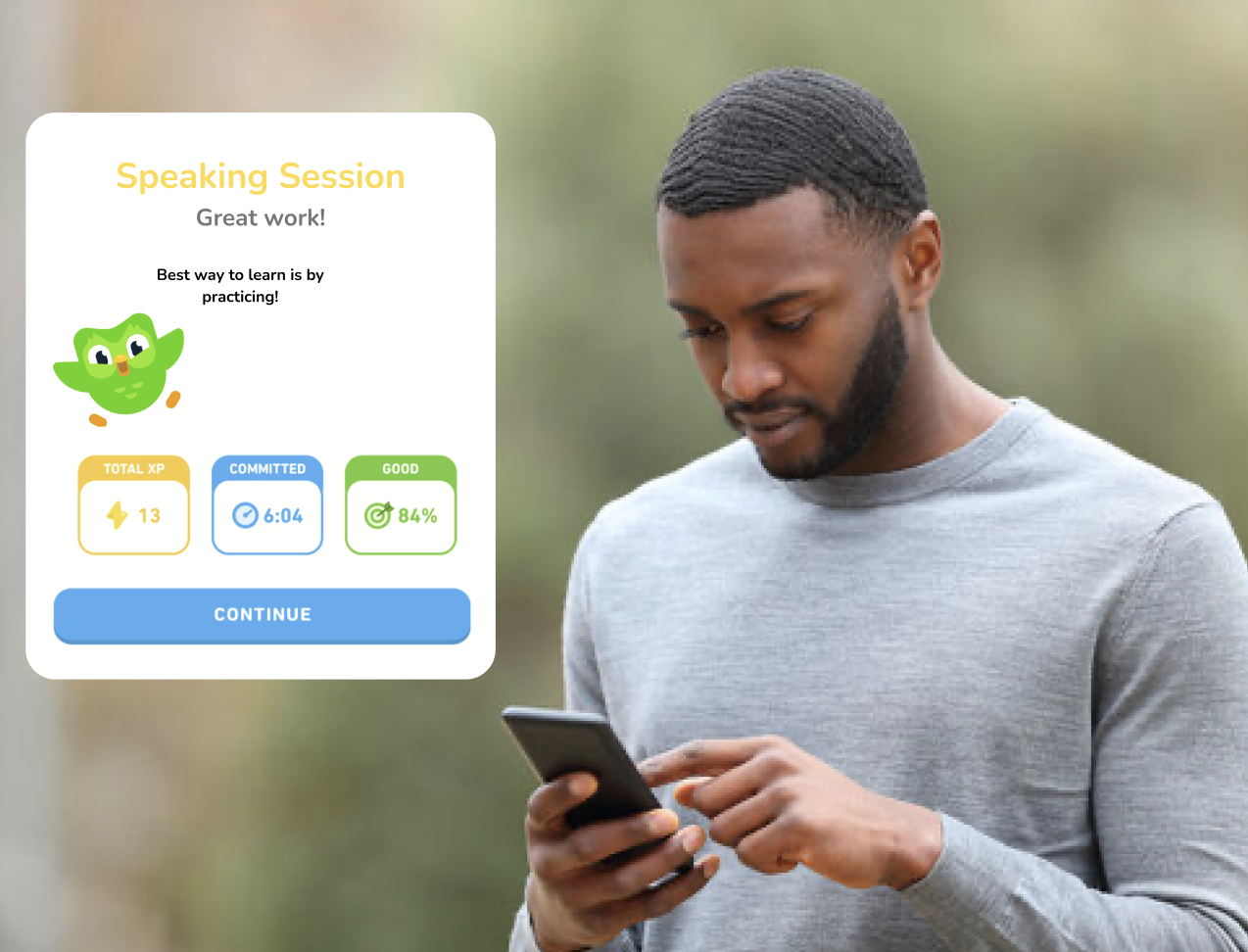
Once you’ve mastered a set of words, you can jump into a quick, live session with a tutor or a fluent speaker right in the app. It’s not just random chatting; these sessions are based on exactly what you’ve been studying, so you can finally use what you’ve learned in a real conversation without the pressure.
How can Duolingo help improve the learning experience?
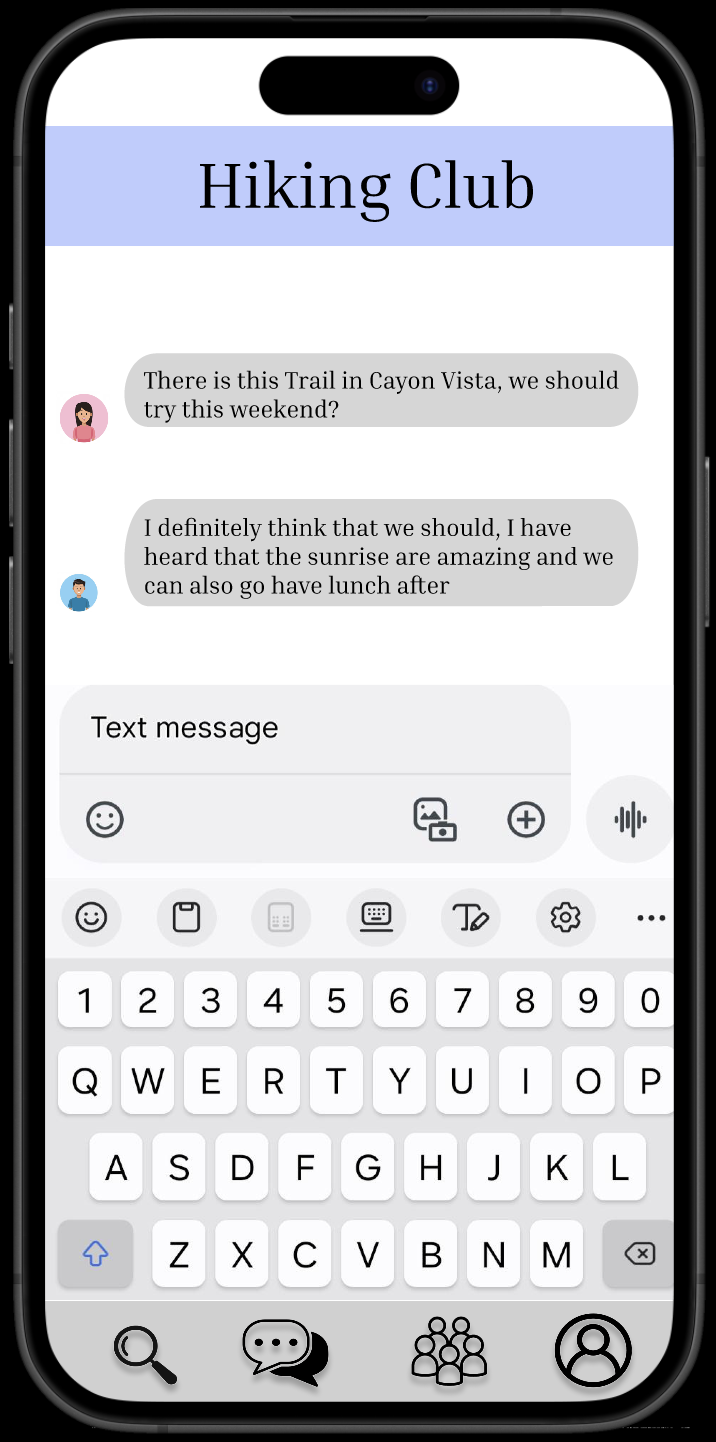
Before progressing to the next lesson, users must complete an interaction step—either with AI or a human professional.
Why does this matter?
Encourages active learning instead of passive learning & improved knowledge retention
Ensures comprehension before advancement
Builds the user’s confidence in applying skills
How can this be integrated into their existing plans?
Since this would be a feature that would still need to be put to test, Duolingo can start giving free trials to their users and then they can decide if they want to upgrade their plan or stay in their previous plan.