Hope Scholars Research Program
Research Project
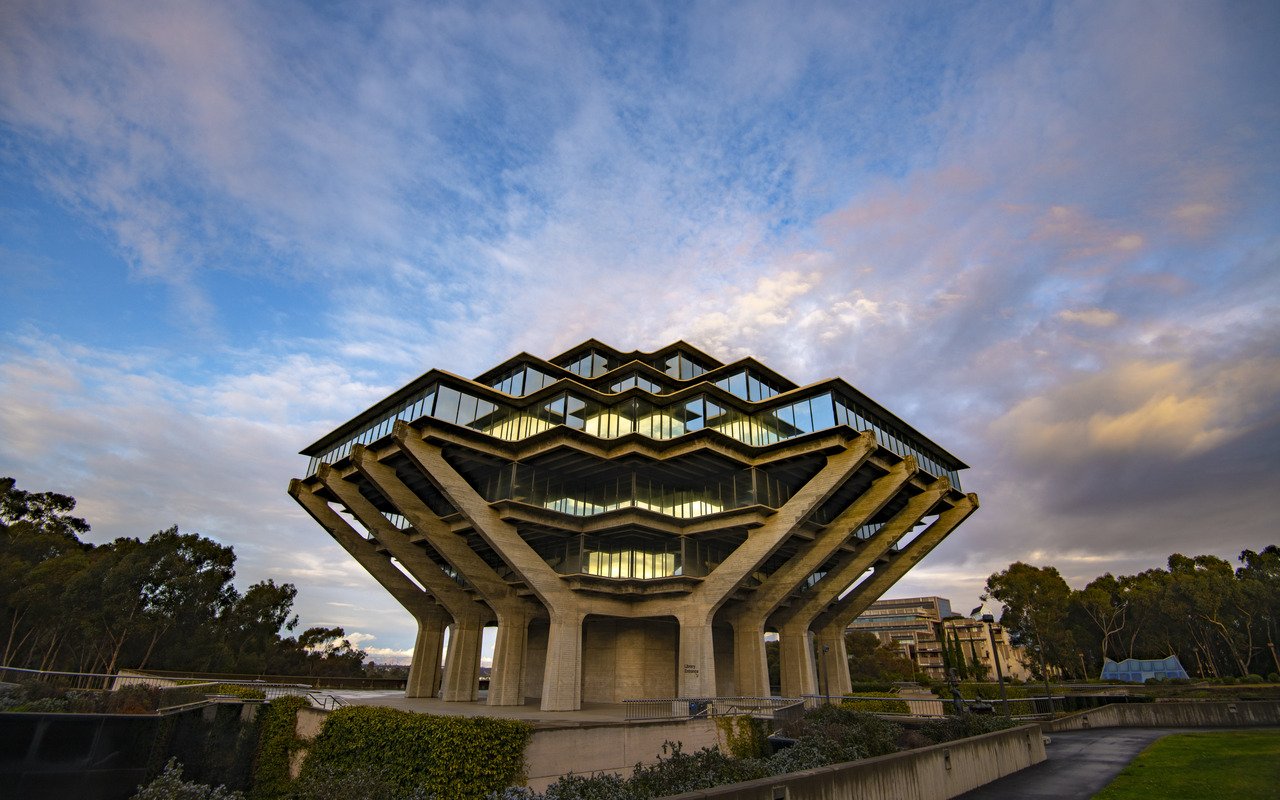
This summer, I participated in the Hope Scholars Research Program as a Student Researcher at UCSD, where I conducted independent research on the concept of 'weathering'.
Weathering is a topic not always talked about, but it’s a phenomenon that anyone is vulnerable to experiencing thought their lifespan.
What is Weathering?
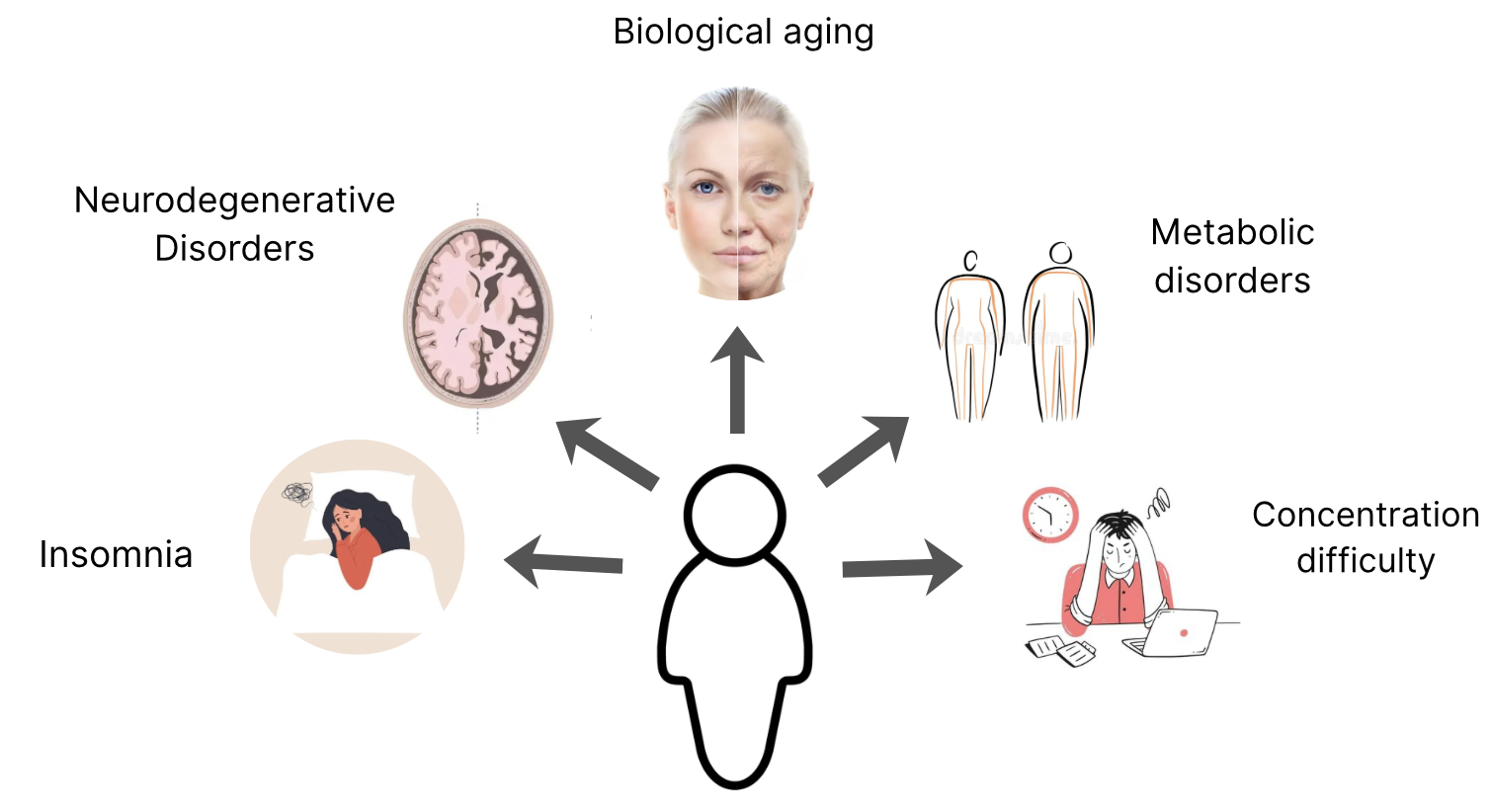
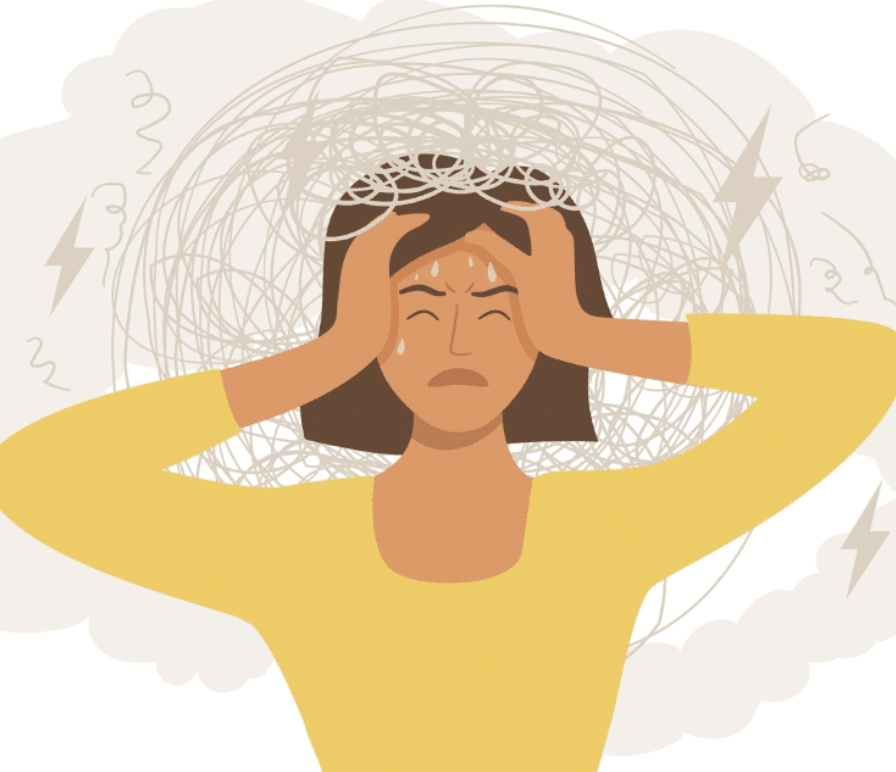
While weathering traditionally refers to the erosion of physical materials by environmental forces, human weathering describes the physiological wear and tear caused by chronic social and environmental stress, which prematurely deteriorates health over time.
And most importantly, weathering disproportionately affects underrepresented communities, the very populations that are least likely to be informed about its impact.
How was this research conducted?
My research investigated the physiological and social impacts of weathering specifically on Latina and Hispanic female students. To evaluate these effects, I designed and administered surveys and interviews to analyze the direct relationship between chronic stress and weathering within this demographic.
Through interviews, I evaluated how daily environmental factors and lifestyle demands drive chronic stress.
The qualitative data from these interviews offered a holistic perspective on how this underrepresented population experiences weathering. Specifically, highlighted their primary stressors, how chronic stress is embedded in their daily routines, and the coping mechanisms they rely on during the academic year.
Following the interviews, participants completed a survey that provided quantitative data to measure the extent to which these stressors impacted their daily lives.
During interviews participants of the study expressed…
“Even with the resources that there was in campus, I have not heard good things about joining or being part of them”

“I have not heard about resources that can help, most times it’s only meeting with someone once per month to talk”

What did the data showed?
Additionally, the survey results revealed that:
Higher Stress Baselines: Students from one or more underrepresented backgrounds experience significantly higher levels of daily chronic stress.
Cumulative Risk: Students identifying with multiple marginalized groups report experiencing physical and emotional stress symptoms at a higher frequency.
Knowledge Gaps: These same student populations report lower familiarity with mental health concepts and the phenomenon of human weathering.
Why is this important?
Possible Solutions & Future Research


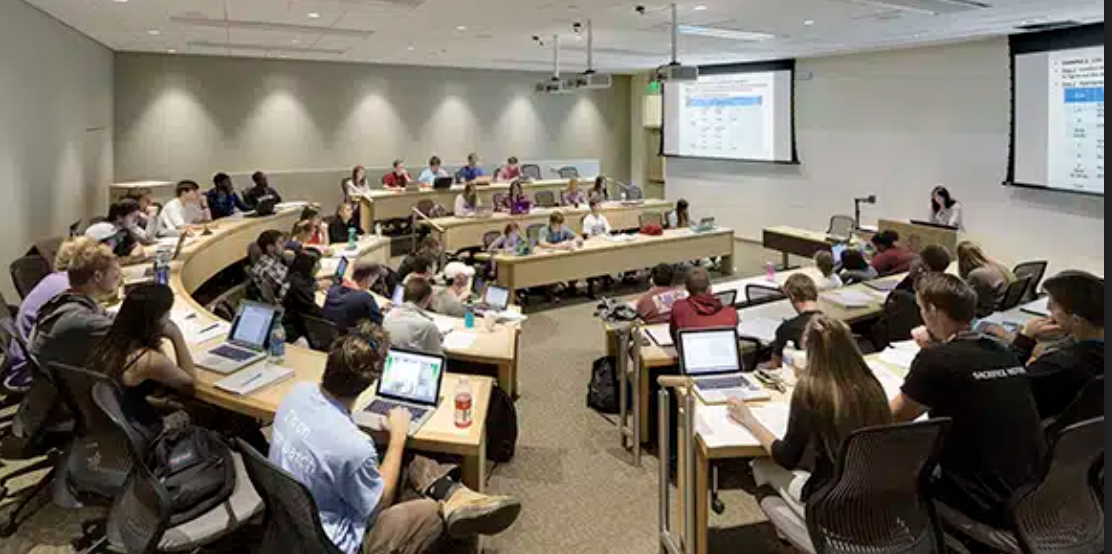
“Since I have a need to have professional help, the resources that are on campus don’t help me with that”
Analyzing the interview data patterns highlighted several key factors that make Latina and Hispanic female students particularly vulnerable to weathering:
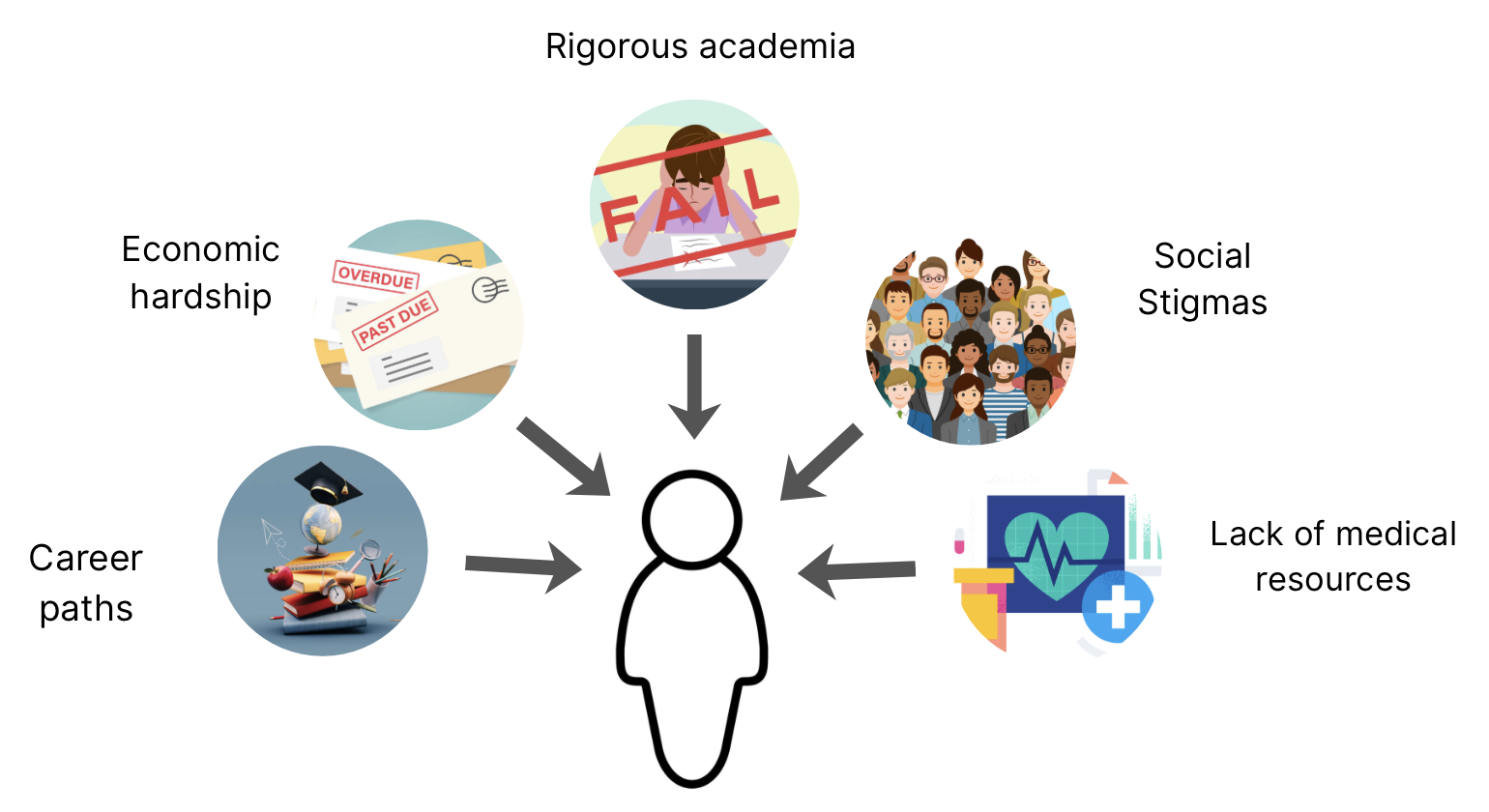
First-Generation Student Status: Pressures related to family support expectations, serving as a secondary caregiver or household contributor, financial independence, and navigating dual expectations between home and school.
Ethnicity & Gender Dynamics: Navigating gender discrimination, imposter syndrome in male-dominated STEM fields, and intense professional and academic competition.
Socioeconomic Background: Financial insecurity, limited career or college preparation resources, and systemic barriers to basic needs and long-term stability.
When students identify with multiple intersecting categories, these overlapping stressors compound, leading to higher chances of experiencing chronic stress and accelerated weathering.

These findings emphasize the urgent need to educate underrepresented students on weathering and address systemic gaps in campus support:
Low Literacy Around Chronic Stress: Students frequently normalize chronic stress and remain unaware of available institutional support.
Guidance & Access Barriers: Navigating campus resources remains difficult without proactive mentorship and culturally competent outreach.
Scope of Existing Resources: Basic wellness tools often fail to address severe chronic stress, highlighting a need for specialized professional care.

Moving forward, I plan to build on this research for my Honors Thesis, where I will integrate new analytical methods to examine the correlation between chronic stress and weathering. Incorporating biological markers—such as salivary cortisol samples—will allow me to gather objective quantitative data on students' stress levels and evaluate how chronic physiological strain affects their academic journeys.
Underrepresented populations do not have to suffer in silence when experiencing weathering; there are actionable ways to manage chronic stress, where even small daily changes can lead to significant long-term benefits. I am dedicated to highlighting human weathering so that vulnerable populations are informed, advocated for, and supported throughout their academic journeys.
Previous research shows that chronic stress does not only cause insomnia, but also increases the risk of metabolic disorders, chronic diseases, accelerated biological aging, and other related conditions.