Protecting
Sea Life
Background Research
Thought interviews and local reports, I identified the root reason of the human-wildlife at the Cove. The existing signage around the area is inconsistent which affects people’s understanding and behavior on how people go about following the rules that these signs communicate to people. Additionally, many tourists tend to ignore this rules because they lack active regulatory enforcement.
Some of the common rules that people tend to break are feeding the animals, leave food in the area, bring their dogs or pets near the sea life and swimming in the area.
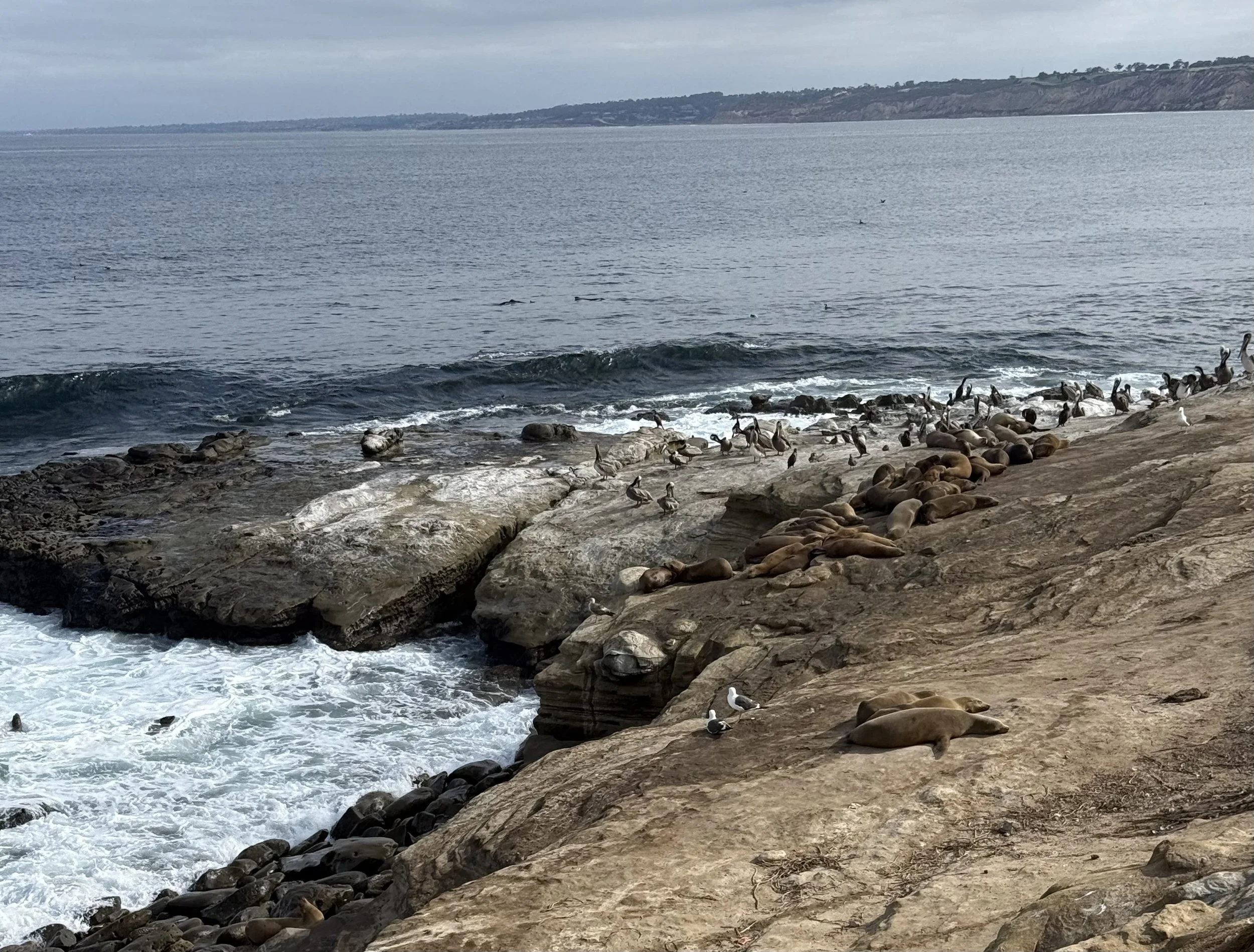
As a result of people not following the place restrictions, many animals have abandonment the area and there is an increase of others like squirrels and birds.
This has caused the sea lions to leave the area and to sometimes leave their pugs abandoned. Which is the main reason why the pugs die in the sand alone.
Approach
Placing these signs at eye-level along the fences makes them accessible to everyone, especially those with poor eyesight.
Finally, clearly displaying fines will ensure visitors take the regulations seriously.
The solution aims to make signage impossible to miss by using bold colors, larger text, and universal icons instead of heavy text.
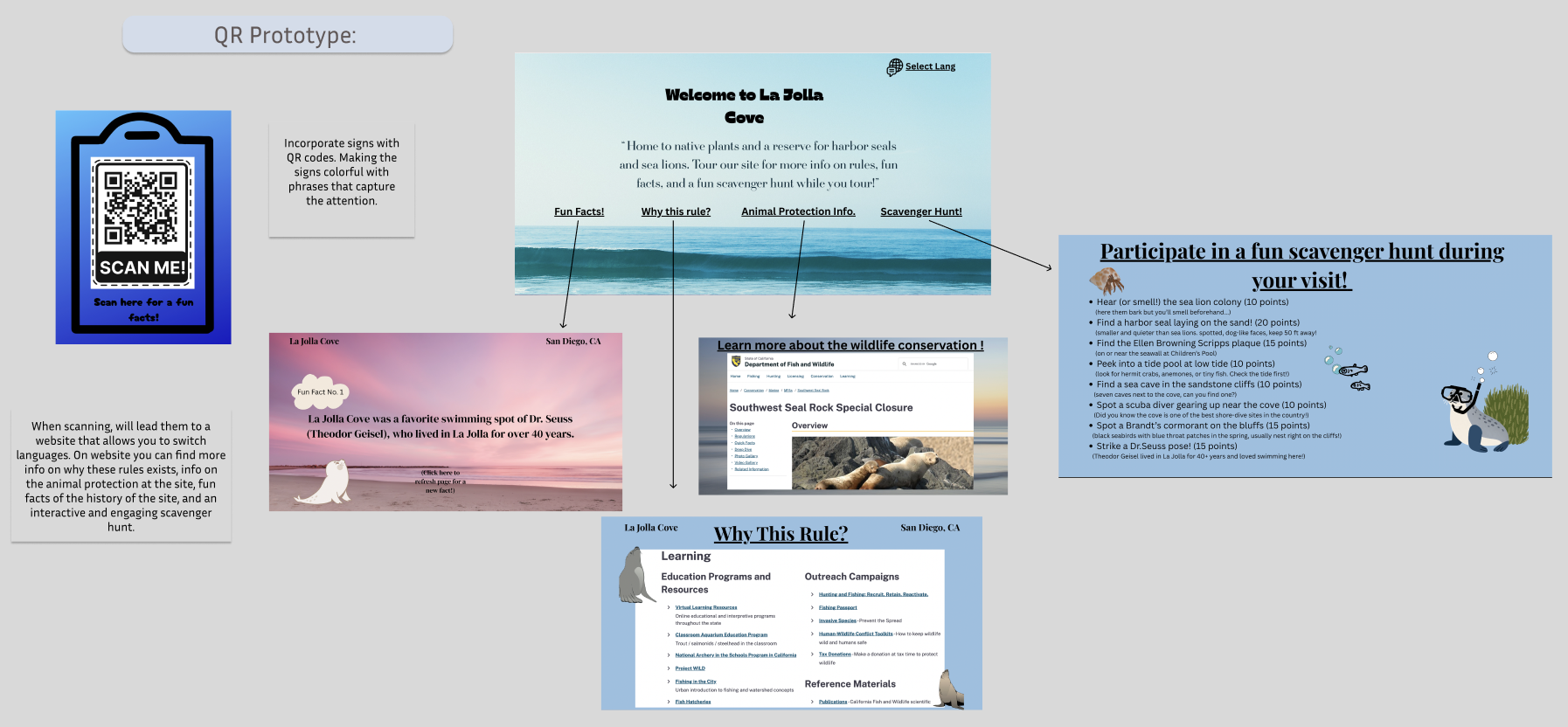
Lastly, QR codes so people could interact with were added to people are able to educate themselves on how their actions might harm the sea life in the area
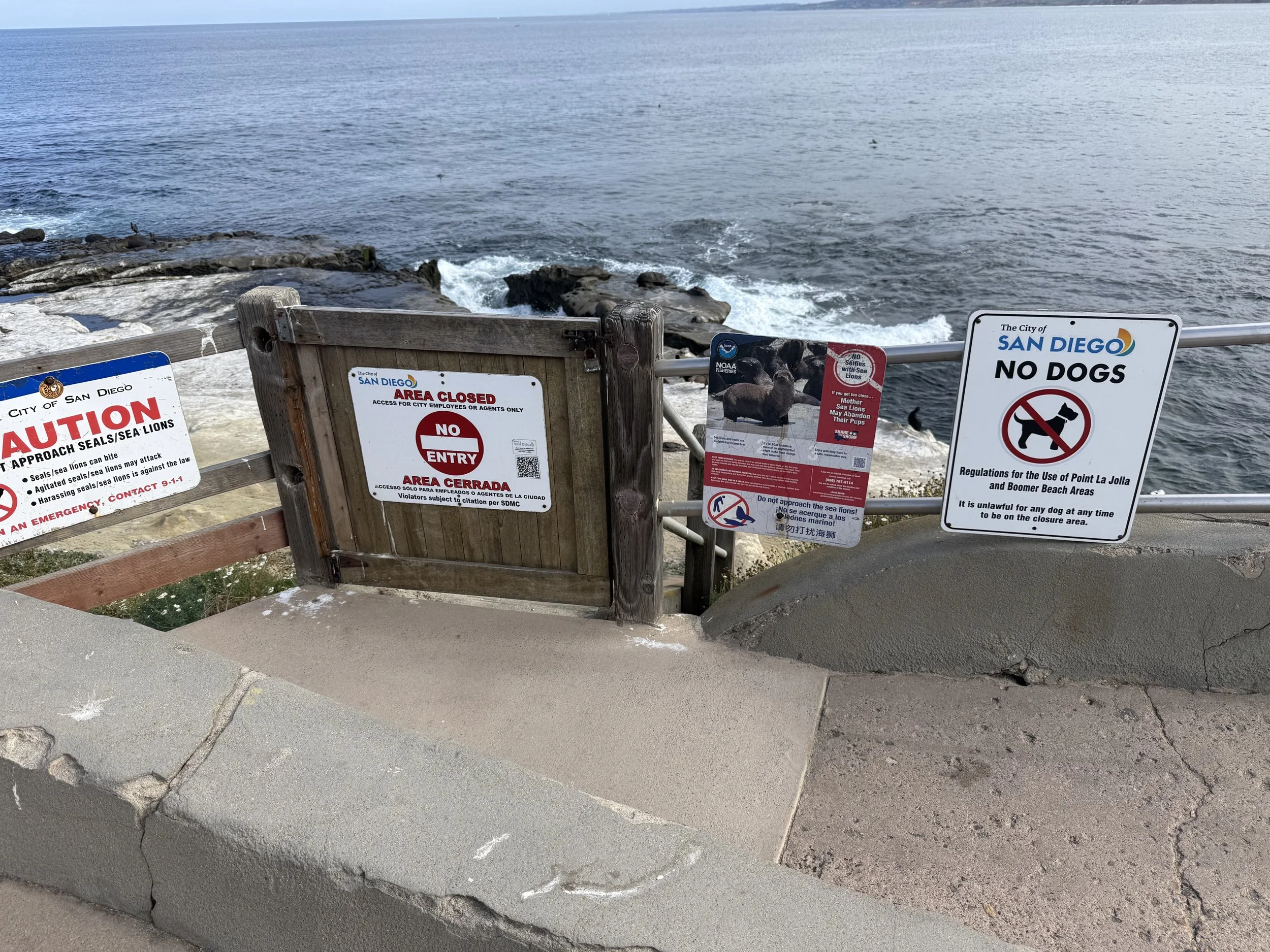
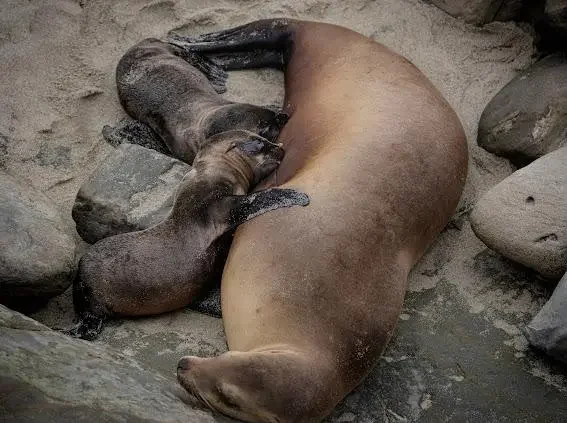
In order to fix this, the solution focuses entirely on changing visitor behavior by transforming how tourist interact with information on-site, treating signage as an active, structural boundary rather than just a warning. Making signs that grab peoples attention using bold colors, universal symbols to overcome language barriers and make a clear message.
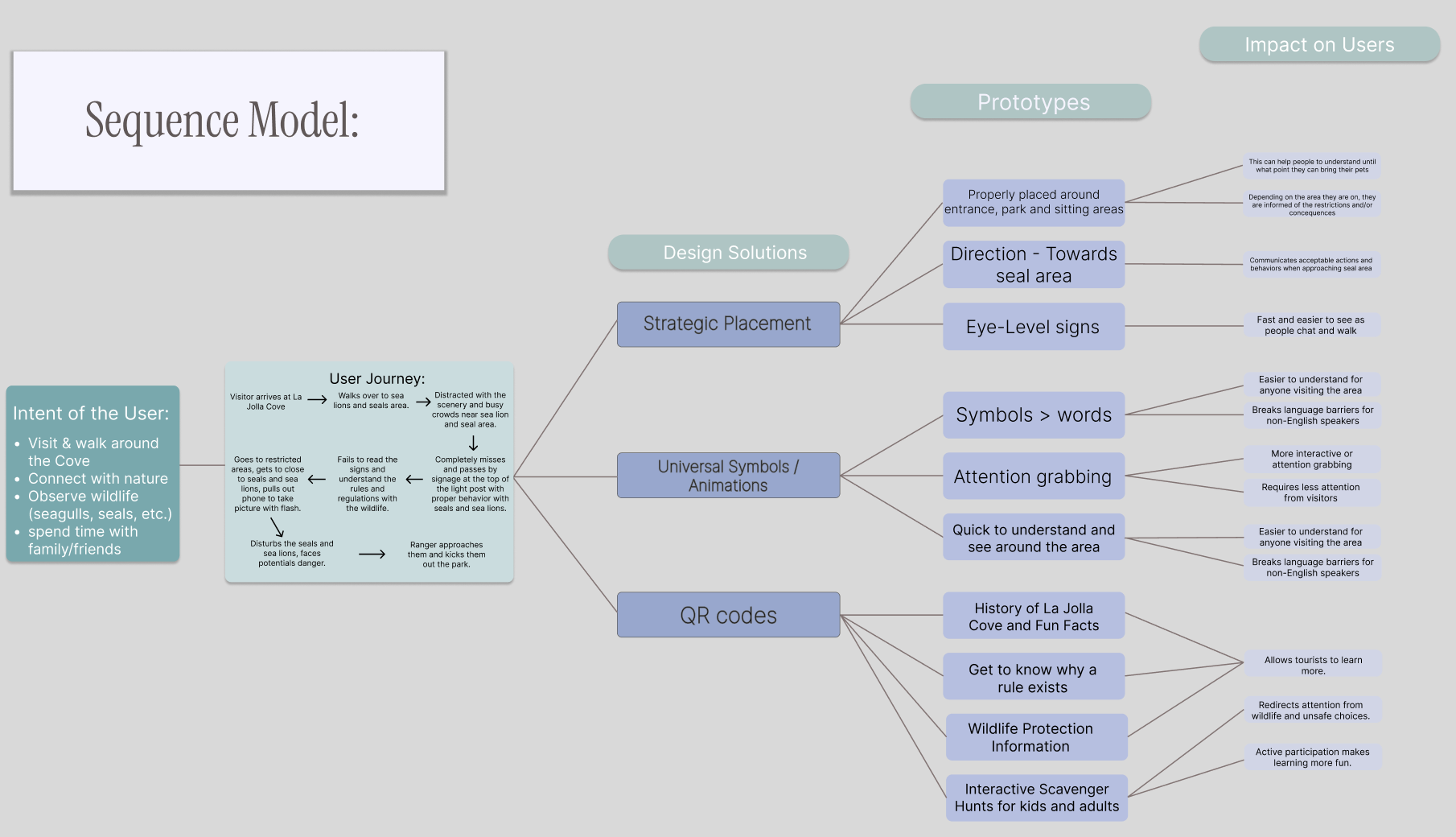
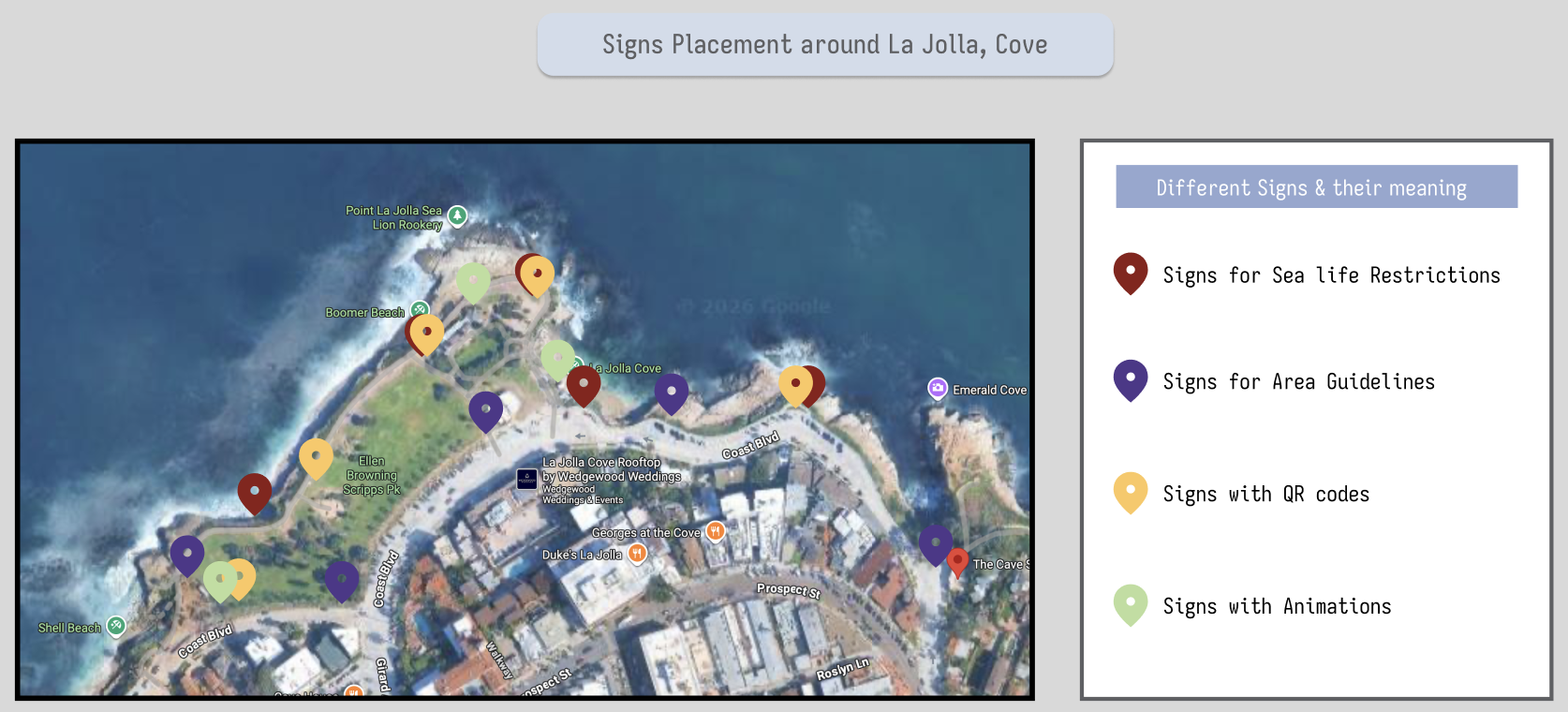
Strategically placing signs around the area to increase the awareness of the guidelines/restrictions as people’s enter the area
Additionally, the redesigns also aimed in…
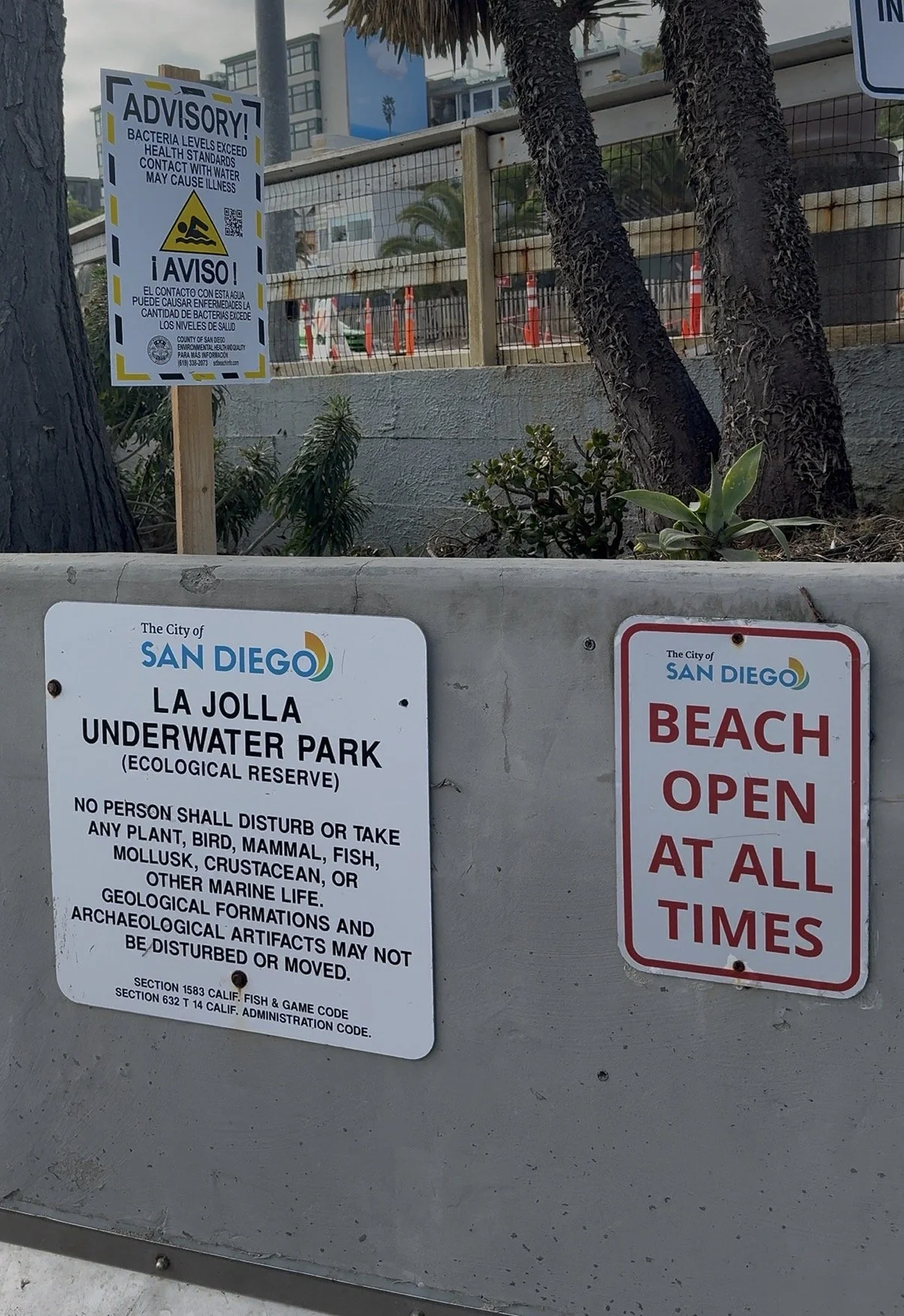
Plan of Placement